Phhhoto Tops 1 Million Users

You don’t want to miss your favorite band’s concert in your town, even if you don’t care to see every one of their News Feed posts. To give you a hand and appeal to musicians by boosting their ticket sales, Facebook last night added an Events subscribe button to the Events section of all Pages on desktop and mobile. Once clicked, you’ll get a Facebook notification when that Page hosts an event near where you live.
The move could help bands sell more concert tickets, which is critical in an era where recorded music is hard to monetize and touring is an increasingly important revenue stream for musicians. Local businesses running events or promotions, sports teams, and more could also benefit from the new way to tell people about IRL get-togethers.
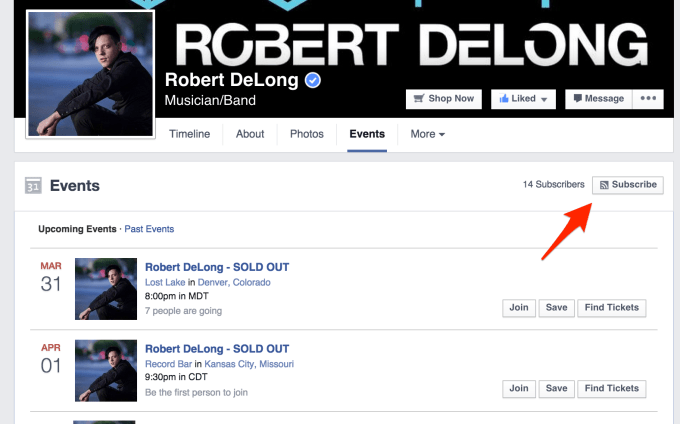
You can see the Events subscribe button above on the desktop Events tab and below on mobile via the Page of one of my favorite artists, Robert DeLong. He’s like The Postal Service meets Skrillex.
 Perhaps the Event subscribe button will win back some trust from bands after Facebook’s rocky past supporting musicians.
Many musicians are currently pissed at Facebook because of the drop in organic Page reach, which I’ve detailed is not vindictive but a natural result of competition. People reading the News Feed for a finite amount of time while Liking more Pages and adding more friends that all share more content. Still, artists assuming they’d reach all their fans with every post (which was never true) aren’t happy.
In the 2010-2011 era, Facebook was looking like the successor to Myspace for musicians. Many artists used the option to set a default landing tab to show a screen built by BandPage or ReverbNation that let people stream their music and see their tour dates.
But in 2012, Facebook removed the ability for Pages to set a default landing tab. BandPage lost 90% of its traffic on Facebook in a few months, and musicians’ Pages started looking just like everyone elses, making them much less useful for promoting songs and concerts.
Facebook has since tried to give musicians some help. Its Open Graph tie-in with Spotify and other music apps broadcasted what people were listening to to their friends, helping artists score new fans. More recently, Facebook added a Call To Action button for Pages that let them show a “Shop Now” button that would lead to their iTunes or website’s store.
The new Events Subscribe button will appear beneath the Like button on the Events section of all Pages. Events you get notifications about will also appear in your Events Dashboard as if you’d been invited. Facebook will also suggest you subscribe to events from artists and Pages you Like in the Events dashboard. Similar to Likes, your friends will be able to see which Pages’ events you’ve subscribed to.
On mobile the Events subscribe is pushed a bit down the screen in the Events section before the Timeline starts, but at least it’s visible by default. On desktop, the Events subscribe button is still quite buried. It’s on the Events tab as shown above, rather than the Page’s homescreen. Not all musicians or Pages select to have their Events tab visible by default on their Page, so users may need to click the “More” drop-down navigation button on desktop to access the Events tab.
While the feature is sure to get more fans to shows, which makes artists more money, it could also strengthen artists’ loyalty to Facebook as it tries to fend off competitors. Twitter, SoundCloud, and more are vying to own the communication channel between musicians and their fans. Now, artists will have extra incentive to set up a Facebook event for every one of their shows.
You don’t want to miss your favorite band’s concert in your town, even if you don’t care to see every one of their News Feed posts. To give you a hand and appeal to musicians by boosting their ticket sales, Facebook last night added an Events subscribe button to the Events section of all Pages on desktop and mobile. Once clicked, you’ll get a Facebook notification when that Page hosts an event near where you live.
The move could help bands sell more concert tickets, which is critical in an era where recorded music is hard to monetize and touring is an increasingly important revenue stream for musicians. Local businesses running events or promotions, sports teams, and more could also benefit from the new way to tell people about IRL get-togethers.
You can see the Events subscribe button above on the desktop Events tab and below on mobile via the Page of one of my favorite artists, Robert DeLong. He’s like The Postal Service meets Skrillex.
Perhaps the Event subscribe button will win back some trust from bands after Facebook’s rocky past supporting musicians.Many musicians are currently pissed at Facebook because of the drop in organic Page reach, which I’ve detailed is not vindictive but a natural result of competition. People reading the News Feed for a finite amount of time while Liking more Pages and adding more friends that all share more content. Still, artists assuming they’d reach all their fans with every post (which was never true) aren’t happy.
In the 2010-2011 era, Facebook was looking like the successor to Myspace for musicians. Many artists used the option to set a default landing tab to show a screen built by BandPage or ReverbNation that let people stream their music and see their tour dates.
But in 2012, Facebook removed the ability for Pages to set a default landing tab. BandPage lost 90% of its traffic on Facebook in a few months, and musicians’ Pages started looking just like everyone elses, making them much less useful for promoting songs and concerts.
Facebook has since tried to give musicians some help. Its Open Graph tie-in with Spotify and other music apps broadcasted what people were listening to to their friends, helping artists score new fans. More recently, Facebook added a Call To Action button for Pages that let them show a “Shop Now” button that would lead to their iTunes or website’s store.
The new Events Subscribe button will appear beneath the Like button on the Events section of all Pages. Events you get notifications about will also appear in your Events Dashboard as if you’d been invited. Facebook will also suggest you subscribe to events from artists and Pages you Like in the Events dashboard. Similar to Likes, your friends will be able to see which Pages’ events you’ve subscribed to.
On mobile the Events subscribe is pushed a bit down the screen in the Events section before the Timeline starts, but at least it’s visible by default. On desktop, the Events subscribe button is still quite buried. It’s on the Events tab as shown above, rather than the Page’s homescreen. Not all musicians or Pages select to have their Events tab visible by default on their Page, so users may need to click the “More” drop-down navigation button on desktop to access the Events tab.
While the feature is sure to get more fans to shows, which makes artists more money, it could also strengthen artists’ loyalty to Facebook as it tries to fend off competitors. Twitter, SoundCloud, and more are vying to own the communication channel between musicians and their fans. Now, artists will have extra incentive to set up a Facebook event for every one of their shows.
 China’s book publishing market is worth about $20 billion and e-books are a fast-growing segment, but it’s difficult for foreign authors to gain a foothold. First they have to find a publisher and then wait for their book to be translated and edited, a process that can take up to a year. Fiberead, a Beijing-based startup, wants to make the process faster and more straightforward.
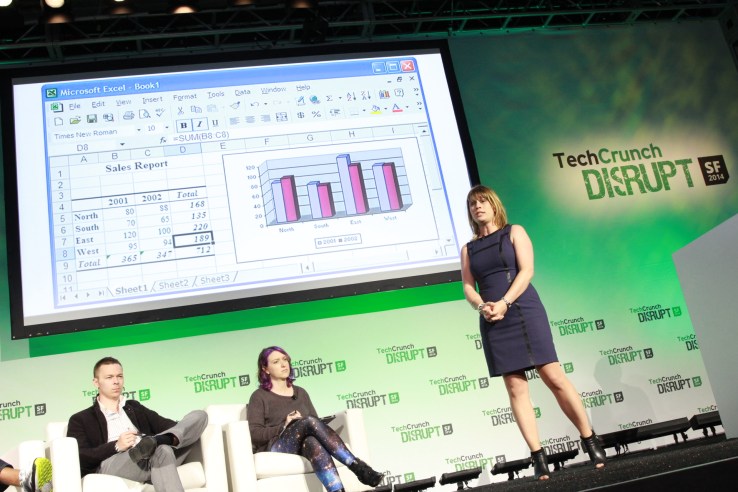 Disrupt Battlefield finalist Valor Water is graduating out of Y Combinator just in time to help solve the world’s water crisis. Valor provides a suite of business-intelligence tools for water utilities.